As kids head back to school, they’re excited to reunite with friends and settle back into their routines. Unfortunately, the return to classrooms also means increased exposure to germs. As the holidays end and kids go back to the classroom, flu season starts in earnest, making this a time when parents need to be especially alert.
At Parsi Pediatrics, we often hear from families who aren’t sure whether their child’s symptoms are “just a cold” or something more serious. Understanding kid flu symptoms can help parents act early, keep their children comfortable, and know when it’s time to see a San Antonio pediatrician.
What Is the Flu and Why It Affects Kids More
Influenza, commonly called the flu, is a contagious respiratory illness caused by flu viruses. While adults get the flu, children tend to catch it more often and spread it more easily. School settings involve close contact, shared supplies, and developing hygiene habits—all of which make it easier for viruses to circulate.
Unlike a typical cold, flu symptoms often come on suddenly and can be more intense. Kids may feel fine one day and significantly ill the next. Recognizing these differences is key to helping your child recover and preventing the illness from spreading to classmates and family members.
Common Kid Flu Symptoms to Watch For
Flu symptoms can vary from child to child, but there are several common signs parents should keep in mind:
Sudden Fever and Chills
A fever is often one of the first signs of the flu in children. Flu-related fevers tend to be higher than those caused by a cold and may come on quickly. Look out for chills and shivering, too. These can be signs that it’s more than a cold.
Body Aches and Fatigue
Children with the flu often complain of sore muscles, leg pain, or general body aches. They may seem unusually tired, weak, or not interested in activities they normally enjoy.
Respiratory Symptoms
Cough, sore throat, and congestion are common flu symptoms. While these can also occur with colds, flu-related coughs are often more intense and may worsen over several days.
Headaches
Older children may report headaches, which can be another clue that symptoms are flu-related rather than a cold or other milder bug.
Stomach Symptoms
Nausea, vomiting, diarrhea, and loss of appetite are more common in kids with the flu than in adults. These symptoms can increase the risk of dehydration, especially in younger children.
If your child’s symptoms appear suddenly and seem more intense than usual, the flu may be the cause.
When to Keep Your Child Home
If your child has a fever, is more than a little tired, can’t stop coughing, is vomiting, or is experiencing diarrhea, it’s best to keep them home from school. Rest is important for recovery, and staying home helps prevent spreading the flu to friends. Children should remain home until they’ve been fever-free for at least 24 hours without fever-reducing medication.
Keeping kids home when they’re sick not only protects classmates but also supports faster healing.
When to See a San Antonio Pediatrician
While many cases of the flu can be managed at home, there are times when medical care is important. You should contact a San Antonio pediatrician or schedule a visit if:
- Fever lasts longer than three days
- Symptoms are getting worse instead of better
- Your child has difficulty breathing or rapid breathing
- There is chest pain or severe coughing
- Your child shows signs of dehydration (dry mouth, no tears, minimal urination)
- Your child is under five years old or has asthma, diabetes, or another chronic condition
If you’re not sure, don’t hesitate to reach out. Schedule a visit to make sure your child gets the care they need.
How Parents Can Help at Home
Supportive care goes a long way when kids have the flu. Make sure your sick child has access to lots of water and electrolytes. Gatorade and zero-sugar sports drinks can be a good source of electrolytes for kids.
Of course, make sure that your child gets lots of rest. Offer small, bland meals, even if appetite is low. Make sure to only use the fever-reducing medications recommended by your pediatrician. Sometimes, medications like aspirin can do more harm than good, especially for children.
To reduce spread at home, remind children to wash hands frequently, cover coughs, and avoid sharing cups or utensils.
Preventing the Flu This School Year
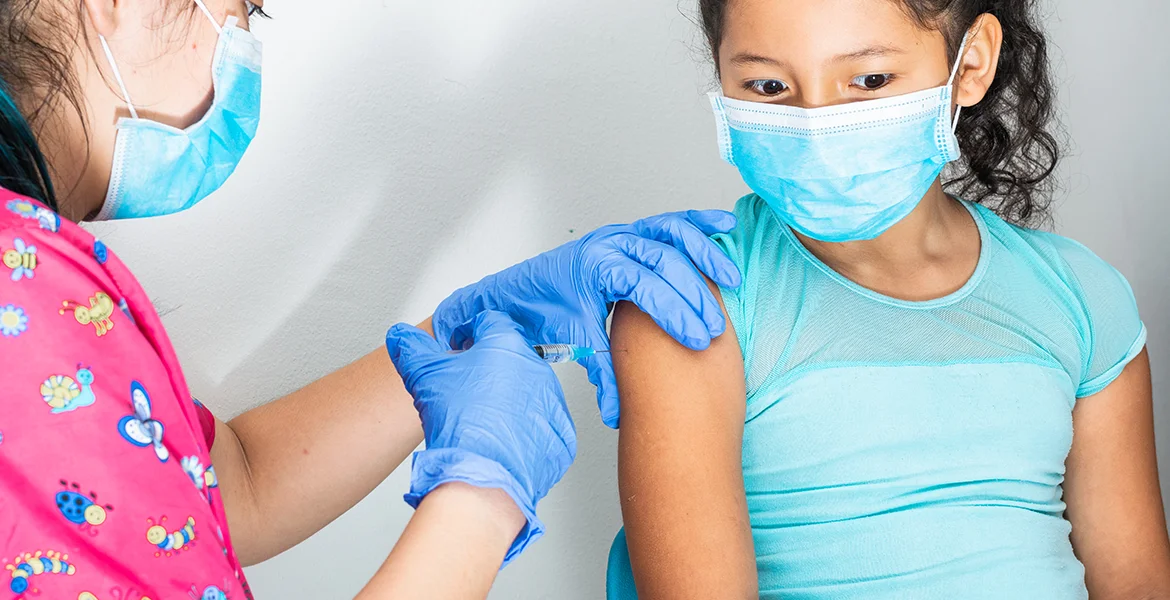
Prevention is one of the most effective ways to protect your child during the San Antonio flu season. Annual flu vaccination remains the best defense and is recommended for most children. Teaching kids simple habits like handwashing, using tissues, and staying home when sick can also make a big difference.
Partnering With Your Pediatrician
Trusting your instincts as a parent matters. If something doesn’t feel right, your pediatrician is here to help. Having a relationship with a local practice that understands your child’s needs makes navigating flu season much less stressful.
If you have concerns about flu symptoms, prevention, or your child’s overall health, we’re here for you. Schedule an appointment or call Parsi Pediatrics at 210.561.1551 to speak with our team and ensure your child gets the care they need this school year.